
Medical Office Cleaning Standards
Doctor Sterile·April 25, 2026
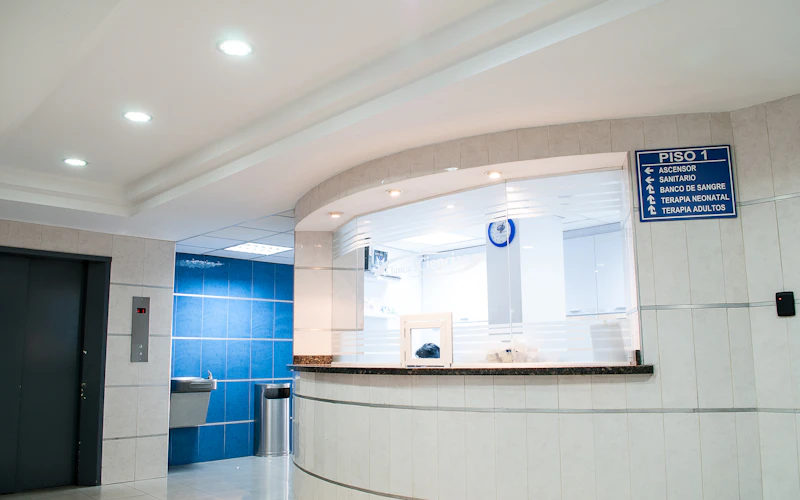
Medical office cleaning sits at the intersection of patient trust and regulatory scrutiny—waiting rooms must look orderly, exam areas must be disinfected consistently, and biohazard handling must respect real rules, not just vibes. While specific compliance depends on your facility type and governing bodies, certain principles apply everywhere: evidence-based disinfectants, trained staff, and auditable routines.
Why are medical office standards stricter than general offices?
Because vulnerable people occupy the space, pathogens spread via surfaces and droplets, and reputational harm from visible soil or odor is immediate. Even small clinics near Shands or UF Health satellites telegraph competence through cleanliness.
What areas deserve the most attention?
High-touch points: door handles, check-in pens and screens, armrests, exam tables, light switches, and restrooms. Floors matter too—shoes track contaminants from parking lots into hallways. Waiting rooms need frequent spot cleaning because impressions form before care begins.
How should disinfectants be selected and used?
Follow manufacturer dwell times—spray-and-wipe in three seconds is theater, not science. Train staff to read labels for material compatibility: some surfaces degrade with repeated strong agents. Keep SDS sheets accessible and align with your infection prevention lead’s guidance.
What role does trash and biohazard separation play?
Use labeled bins, never overfill, and route medical waste per policy—do not let housekeeping confuse standard trash with regulated waste. If unsure, ask—penalties and safety issues are not worth guessing.
How does professional cleaning integrate with clinical staff workflows?
Schedule cleans around patient volume when possible; prioritize exam room turnover protocols that match your clinic’s charting and rooming processes. Communication beats conflict—housekeeping should know which rooms are safe to enter.
Can general commercial cleaners serve medical offices?
Sometimes—with proper training, products, and oversight. Doctor Sterile’s commercial work can be structured around documented checklists for offices that need disciplined execution near Gainesville’s healthcare corridors—complementing your clinical infection prevention plan.
What should patients never see?
Dust on HVAC vents above exam tables, streaky glass at entries, or overflowing trash in restrooms. Patients may not comment—they just do not return.
Medical office cleaning is patient care infrastructure. Treat it with the same seriousness as credentialing and charting—because people already do, whether you notice or not.
How do waiting rooms differ from exam rooms in daily protocols?
Waiting rooms need frequent touch-point wiping on chairs, clipboards, and pens; exam rooms need surface disinfection between patients following your clinical policy. Do not let housekeeping confuse the two—different dwell times, different products, different documentation expectations.
What training topics should non-clinical cleaners understand?
Basic bloodborne pathogen awareness, how to respond to sharps in waste bins accidentally, when to stop and call clinical staff, and how to read product labels for EPA registration numbers relevant to your surfaces.
How does flooring choice change maintenance near Shands traffic?
Entry mats, walk-off systems, and frequent hard-floor mopping reduce tracked-in contaminants. Carpeted waiting areas may need extraction more often than corporate offices because of weather and patient volume.
What documentation should administrators expect?
Checklists, SDS availability, incident logs for spills, and periodic audits. If surveyors visit, they should see order—not improvised bleach bottles in unlabeled bottles.
When should facilities add day porter services?
When patient volume creates visible soil mid-day—especially restrooms and lobby glass. Evening-only cleaning cannot carry mid-day patient impressions.
How do you coordinate infection prevention with housekeeping?
Hold short huddles when policies change—new disinfectants, new dwell times, or new rooming flows. Housekeeping should never learn protocol updates from hallway rumors.
What patient-sensitive areas require extra discretion?
Billing counters with visible screens, lab door thresholds, and family consultation corners—clean thoroughly without moving papers or devices; ask where documentation may sit before shifting anything.
Why document spills or biohazard events immediately?
Chain-of-custody and remediation timelines matter for accreditation and liability. Photos plus timestamps beat verbal handoffs when questions arise weeks later.
How do you evaluate vendors for patient-adjacent spaces near UF Health corridors?
Ask for healthcare references, immunization or training policies, and familiarity with bloodborne pathogen basics—even non-clinical staff should respect red bag rules. Verify insurance and named additional insured status if your lease requires it.
What common mistakes do budget cleaners make in exam buildings?
Using residential products on medical-grade finishes, skipping dwell times, and mixing chemicals in unlabeled bottles—each is a compliance and safety landmine.
When should clinics increase frequency temporarily?
Flu season, local outbreak news, or construction dust from lobby renovations—temporary uplifts beat reputational hits from visibly dirty spaces during sensitive moments.
How does Doctor Sterile support medical-adjacent offices?
Structured commercial scopes with room for your infection prevention lead to set product classes and frequencies—housekeeping executes; medicine sets policy.
What language should contracts avoid?
Vague “disinfect as needed” clauses—replace with task lists tied to rooms and frequencies so surveyors see intentionality, not improvisation.
How do teaching clinics differ from private practices in cleaning load?
Longer hours, more learners touching surfaces, and more frequent room turnover—budget mid-shift porter touches if your training schedule stacks appointments.
Ready for a Professional Clean?
Book your cleaning today or call us at 352-663-5924. Doctor Sterile is Gainesville’s detail-focused cleaning team—founded by Peter L McElwain—serving hosts, students, homeowners, and businesses from Midtown to Haile Village, Newberry to High Springs.
Whether you need Airbnb turnover cleaning, student housing resets, residential care, commercial maintenance, move-in and move-out cleaning, or post-construction cleanup, we bring checklists, supplies, and accountability to every job.
Ready for a spotless space?
Book a visit and see why Gainesville trusts Doctor Sterile.